


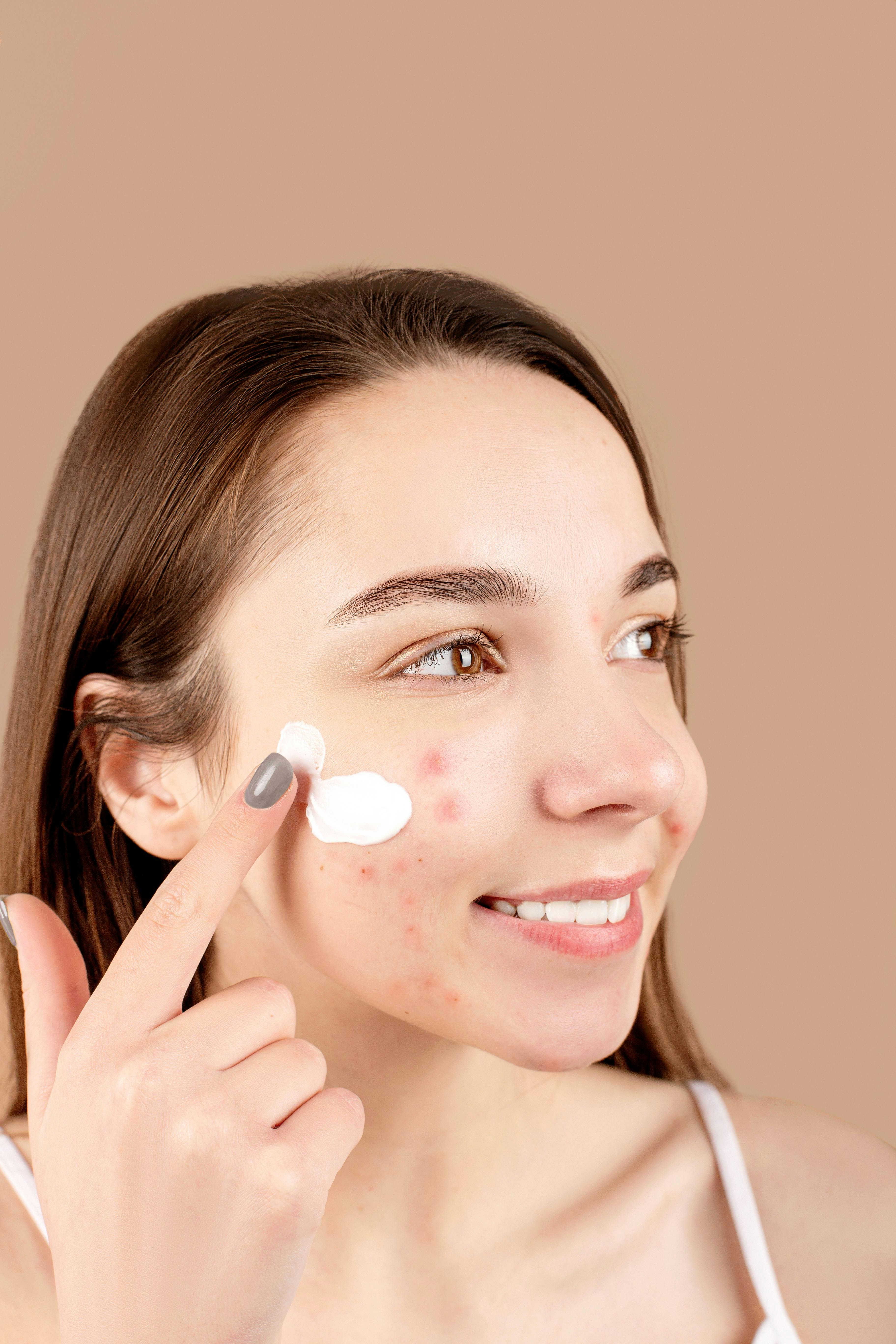
Acne is at the top of the list of skin conditions to mostly affect a person’s sense of confidence or emotional health. Only those who have dealt with chronic acne truly understand the depth of research anyone is willing to do trying to find answers.
The sad news is there is a laundry list of triggers when it comes to acne. The good news is that It is considered a benign condition of the pores. It can be easily managed many times with lifestyle adjustments, recognition of triggers, and addition of skin barrier protective products.
Save this acne trigger checklist to keep the pimples away and achieve that dreamy dewey skin look.
A few things worth knowing as you work through this targeted acne guide:
Diet and skincare chemicals tend to be the most overlooked triggers. Most people focus on topical skincare while missing that a daily whey protein shake or coconut oil moisturizer is driving their breakouts.
And for the natural remedies section, those aren’t things to “avoid” the way the others are. Think of them as additions to your routine that have solid evidence behind them.
Diet Triggers
Staring with strong with, in our opinion, one of the most pivotal factor to reduce acne and achieve clear, healthy skin.
While we cover dietary changes to add later on, this section is all about often missed dietary triggers to avoid for skin healing at the celular level.
High-glycemic foods
White bread/too many refined carbs, artificial sugary drinks. These spike insulin and raise oil production.
Dairy, especially milk.
For some, hormones in milk stimulate oil glands. Skim milk being the biggest culprit.
Whey Protein Supplements
A common hidden trigger for gym-goers. Pea protein might be better.
Chocolate and cocoa. Particularly milk chocolate.
Dark chocolate in small amounts is less problematic.
Heavily processed foods
Fast food, packaged snacks, and fried foods raise inflammation throughout the body.
Alcohol
Dehydrates skin, raises cortisol, and disrupts your skin barrier.
Not drinking enough water
Dehydrated skin overproduces oil to compensate. Aim for 2+ liters daily.
Skin Chemicals to Avoid
Comedogenic oils
Coconut oil, cocoa butter, and wheat germ oil clog pores. Check labels carefully.
Comedogenic oils
Found in many cleansers and foaming washes. Strips the skin barrier and causes rebound oiliness.
Artificial fragrances
Listed as ‘fragrance’ or ‘parfum’ — a catch-all that hides irritating chemicals.
Alcohol denat. / SD alcohol
Drying alcohols found in toners and sprays. They disrupt the skin barrier over time.
Silicones in heavy formulas
Dimethicone and cyclomethicone can trap debris in pores if skin isn’t cleansed properly.
Lanolin
A common emollient derived from wool. Known to clog pores in acne-prone skin.
Isopropyl myristate
A penetration enhancer found in sunscreens and foundations. Highly comedogenic.
Over-exfoliating with actives
Using AHAs, BHAs, or retinol too frequently damages the barrier and worsens breakouts.
Sun & Environment
Skipping SPF
UV damage triggers inflammation that worsens acne and prolongs healing. Opt for a natural SPF made with Zinc oxide.
Comedogenic sunscreens
Many SPF formulas contain oils or silicones. Look for ‘non-comedogenic’ and mineral filters.
Heat and humidity
Sweat mixes with surface bacteria and oil. Cleanse after any heavy sweating.
Air pollution exposure
Particulate matter clogs pores and increases oxidative stress. Double cleanse with gentle face wash in urban areas.
Post-sun burn inflammation
A sunburn triggers a stress response that worsens breakouts for days after.
Physical and Lifestyle Irritants
Excessively touching your face With Uncleaned Hands
Transfers bacteria, oil, and debris from your hands directly to pores.
Dirty pillowcases
Change them every 2 to 3 days. Bacteria and dead skin cells accumulate fast.
Tight or synthetic fabrics
Especially on the chest, back, and jawline. Choose breathable cotton when possible.
Hair products near the hairline
Pomades, dry shampoos, and heavy conditioners cause forehead and temple breakouts.
Over-washing your face
More than twice a day with harsh cleansers strips your barrier and triggers more oil. Once or twice is enough.
Heavy makeup without proper removal
Foundation and concealer trap debris overnight. Always remove fully before bed.
Healthy Tips to Add and Try
Zinc Supplements
Studies show 30mg of zinc daily reduces acne severity. Talk to your doctor first as zinc requires a balance zinc to copper ratio.
Hyaluronic Acid
Keeps moisture and stronger skin barrier. Hyaluronic acid attracts and binds water molecules to the skin. This creates a plump and hydrated look. Think influencer glow.
Aloe vera gel
Pure, fragrance-free aloe vera soothes inflammation and supports healing without clogging pores.
For even better results, combine Manuka honey with aloe vera for the ultimate face mask. The hydration benefits and skin nourishing effects that comes with it has created big buzz in the skin care niche.
Green tea extract
Applied topically or consumed regularly, it lowers sebum production and calms redness.
Anti-inflammatory diet additionsOmega-3s (from salmon, flaxseed), leafy greens, and berries reduce whole-body inflammation.
Niacinamide (vitamin B3)
Try Niacinamide balms or gels, and diet rich in B3. A well-studied ingredient that reduces pore size, oil, and redness without irritation.
Key Take Aways or Facts Worth Knowing about Clear Skin
Diet and skincare chemicals tend to be the most overlooked triggers. Most people focus on topical skincare while missing that a daily whey protein shake or coconut oil moisturizer is driving their breakouts.
For the natural remedies section, those aren’t things to “avoid” the way the others are. Think of them as additions to your routine that have solid evidence behind them. Check out main blog page for more lifestyle and skin care tips,






Leave a Reply